
Electromagnetic Aircraft Launch System (EMALS): Modern Carrier Launch Technology for 21st Century Naval Aviation
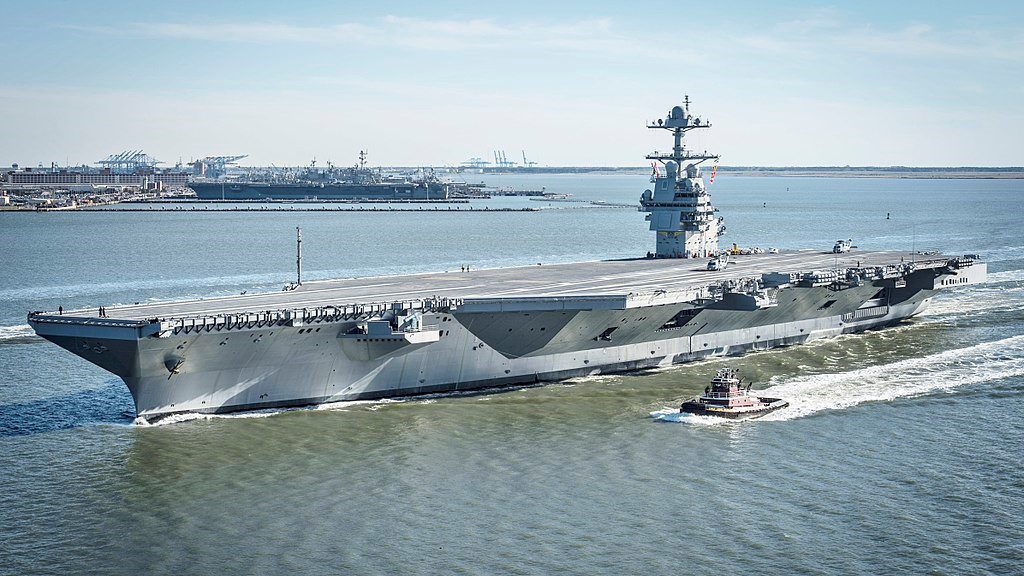
The USS Gerald R. Ford (CVN-78) marked a generational shift in aircraft carrier design by replacing legacy steam catapults with the Electromagnetic Aircraft Launch System (EMALS). This transition represents one of the most significant advancements in naval aviation launch technology since the introduction of steam catapults in the mid-20th century.
Powered by two Bechtel A1B nuclear reactors, CVN-78 generates substantially more electrical capacity than previous Nimitz-class carriers—supporting high-demand systems such as EMALS, advanced radar, and next-generation weapons. The Ford-class architecture is built around an integrated power distribution model capable of delivering approximately 125 MW of electrical power, with future growth margin designed into the platform.
Commissioned in 2017, CVN-78 has since completed multiple operational deployments. EMALS performance has matured significantly through iterative software refinement, hardware redesign, and fleet experience. The system is now a baseline capability across the Ford-class, including USS John F. Kennedy (CVN-79), USS Enterprise (CVN-80), and USS Doris Miller (CVN-81).
Evolution of Aircraft Launch Systems
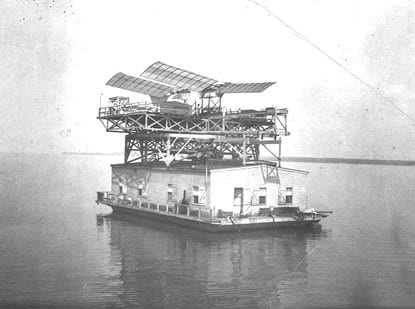
Early catapult systems relied on mechanical springs, compressed air, gunpowder charges, or hydraulic force. Steam catapults, introduced widely in the 1950s, became the standard for carrier aviation and remained dominant for over six decades.
While effective, steam systems present inherent limitations:
- High maintenance burden
- Large freshwater and steam requirements
- Abrupt end-of-stroke deceleration using water brakes
- Limited ability to finely tailor launch energy
Each steam launch requires approximately 1,300+ pounds of steam and thousands of gallons of desalinated freshwater for braking. Mechanical shock loads and thermal cycling contribute to long-term wear on both aircraft and shipboard infrastructure.
The increasing diversity of naval aircraft—ranging from heavy strike fighters to lightweight unmanned aerial systems—exposed the need for a more adaptable launch solution.
Enter EMALS: Linear Induction Motor Launch Technology
EMALS replaces steam pistons with a high-power linear induction motor (LIM). Unlike conventional rotating motors that generate torque, a LIM produces direct linear force. The stator coils are arranged along a launch track; when energized with controlled three-phase alternating current, they generate a traveling electromagnetic field that propels the launch carriage forward.
Key Technical Advantages
1. Precisely Controlled Energy Delivery
EMALS digitally programs launch profiles based on aircraft weight and aerodynamic characteristics. Energy delivery is continuously variable throughout the stroke, minimizing peak stresses on nose gear and airframe structures.
2. Reduced Mechanical Shock
Compared to steam catapults, EMALS delivers smoother acceleration curves, reducing fatigue loads and extending aircraft service life.
3. Lower Maintenance and Improved Reliability
The LIM design contains no high-pressure steam plumbing, pistons, or water braking assemblies. Fewer mechanical interfaces reduce wear, corrosion, and maintenance hours.
4. Broader Launch Envelope
EMALS can launch:
- Heavily loaded strike aircraft
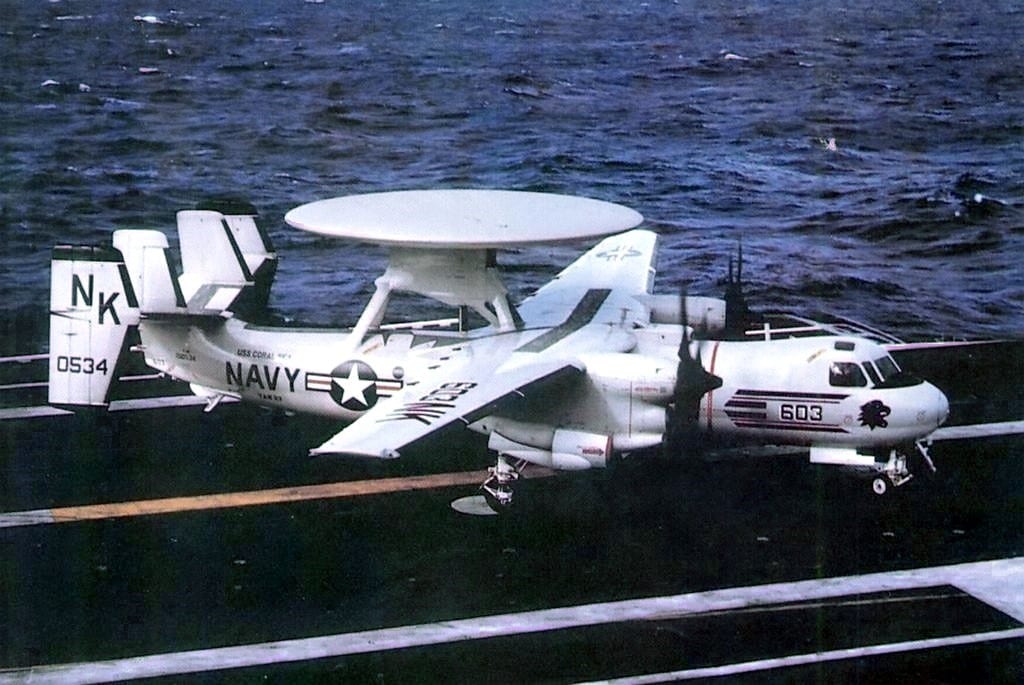
- Airborne early warning platforms
- Carrier onboard delivery aircraft
- Lightweight unmanned aerial vehicles (UAVs)
Steam systems cannot be effectively “dialed down” for low-mass aircraft; EMALS enables safe launch across a wider mass range.
Energy Storage and Power Delivery
A carrier’s main electrical plant cannot instantaneously deliver the multi-megawatt burst required for launch. EMALS therefore incorporates advanced energy storage subsystems (motor generator sets and power conditioning systems) that accumulate energy between launches.
Each launch requires approximately:
- ~120–140 kWh (≈ 430–500 MJ)
- 2–3 seconds of high-power discharge
- Acceleration of aircraft up to ~130–150 knots depending on type
Following launch, the system recharges from the ship’s electrical grid. This architecture enables repeatable, controlled launches while maintaining overall ship power stability.
Electromagnetic Efficiency and Litz Wire Integration
High-frequency, high-current applications such as EMALS stator coils introduce significant AC losses due to:
- Skin effect – Current crowding at conductor surfaces
- Proximity effect – Eddy currents induced by adjacent conductors
To mitigate these losses, stator windings utilize Litz wire constructions. Litz wire consists of many individually insulated strands woven in a specific transposition pattern. This design equalizes current distribution across strands and dramatically reduces AC resistance compared to solid conductors.
In high-power pulsed systems like EMALS, Litz configurations improve:
- Thermal performance
- Energy efficiency
- Power density
- Long-term reliability
The reduction of parasitic losses is critical when delivering near-instantaneous megawatt-scale power.
Operational Maturity and System Growth
Since initial fleet introduction, EMALS has undergone continuous refinement. Early reliability challenges—typical of first-in-class technology—have been addressed through component redesign, enhanced diagnostics, and software upgrades. Operational sortie rates have steadily increased as the system matured.
EMALS also aligns with the Navy’s broader transition toward electrified ship architectures, supporting future integration of:
- Directed energy weapons
- Advanced radar systems
- Autonomous aircraft operations
- Next-generation carrier air wings
By eliminating steam distribution infrastructure, EMALS reduces weight, frees internal volume, and lowers long-term lifecycle costs.
The Future of Naval Launch Systems
The USS Gerald R. Ford (CVN-78) established the foundation for fully electric carrier launch capability. As additional Ford-class carriers enter service, electromagnetic launch will become the standard across the U.S. Navy’s nuclear carrier fleet.
EMALS delivers:
- Higher launch precision
- Reduced aircraft stress
- Lower maintenance burden
- Expanded aircraft compatibility
- Integration with modern electric ship design
What began as a replacement for steam catapults has evolved into a core enabling technology for next-generation naval aviation.
Want to see a Navy test of the EMALS aircraft launch system in action? Check out this video.